Teaching Handwriting in Preschool and Kindergarten: Letter Formation and Spatial Awareness
Handwriting is about more than forming letters correctly. Learn the difference between letter formation and spatial awareness, plus a simple highlighter trick that gives preschoolers and kindergarteners a visual boundary as they learn where their writing belongs on the page.

This blog post may contain affiliate links. When you make a purchase through these links, I may earn a small commission, at no additional cost to you. I only recommend products that I genuinely believe can benefit you and your family! Your support helps maintain and improve all things A Pop of You. Thanks so much!
Handwriting Is More Than Letter Formation
When we think about teaching handwriting, we usually think about teaching kids how to form their letters correctly, where to start, which direction to move the pencil, whether a line goes down or around, and how each letter should be formed. And while letter formation is an important part of learning to write, there’s another piece of handwriting that can easily get overlooked: spatial awareness.
Handwriting is really made up of two separate skills: letter formation and spatial awareness. A child can know exactly how to form a lowercase a and still struggle to place that a correctly on the line. They may write it too large, float it above the line, squeeze letters together, or have trouble fitting an entire word within a designated space. That doesn’t necessarily mean they need more practice forming the letter, they may need practice understanding where that letter belongs on the page. And one of my favorite ways to work on that skill requires nothing more than a highlighter.
The Two Parts of Handwriting
When I’m helping my kids with handwriting, I like to separate what we’re practicing into two categories:
- Letter formation = HOW to form the letter.
- Spatial awareness = WHERE those letters fall on the page.
Understanding the difference matters because the way we practice each skill should look different.
1. Letter Formation: How to Form the Letter
Letter formation is the actual motor pattern involved in writing a letter. Children are learning where to start, which direction to move their pencil, which strokes are needed, and the correct sequence of those strokes so they can consistently recreate each letter. When we’re specifically working on letter formation, I want my child focused on how the letter is made. Modeling, tracing, handwriting curriculum, and intentional letter practice are all great ways to build this skill.
2. Spatial Awareness: Where the Letter Goes
Spatial awareness is different. Instead of focusing primarily on how a letter is formed, we’re helping children understand where their writing belongs within a given space. That includes things like letter size, placement on the line, spacing between letters, spacing between words, and keeping writing within a designated area. Think about everything a young child has to visually process when writing on a page. Where does my pencil start? How big should this letter be? Where is the bottom line? How much room do I have left? How close should the next letter be? That’s a lot. For preschoolers and kindergarteners who are still developing these skills, sometimes simply telling them to “write smaller” or “stay on the line” isn’t enough. They need to see the boundary.
My Highlighter Trick for Teaching Spatial Awareness
This is where one of the simplest tools in our homeschool comes in: a highlighter. Instead of asking my child to copy a word I’ve written somewhere else on the page, I’ll write the word directly onto their paper in highlighter first. Then, they use their pencil to write directly on top of, or within, the highlighted letters.
The highlighter essentially creates a visual boundary for their writing. I’m giving them a clear space and saying: This is where your letters go. They’re still holding the pencil. They’re still writing the word. They’re still practicing controlling their movements. But I’ve removed some of the guesswork around letter size and placement. And that’s important because when I use this strategy, I’m not necessarily using it as a letter formation lesson. I’m using it as a spatial awareness exercise.
If I want my child to practice how to make a letter, I’ll explicitly teach and practice letter formation. If I want them to practice where their writing belongs on the page, I’ll use the highlighter to provide a clear visual guide. Different handwriting skills require different teaching strategies.
Turning Thank-You Cards Into a Handwriting Lesson
One of my favorite ways to use this trick is with something we already do in our family: writing thank-you cards. I love finding ways to practice academic skills through real-life tasks because there’s suddenly a purpose behind the writing. Instead of pulling out another handwriting worksheet, we’re writing to an actual person.
For younger writers, though, a blank thank-you card can be intimidating. Asking a preschooler or kindergartener to independently write an entire sentence inside a small card requires a lot more than knowing their letters. They have to think about what they’re writing, remember the words, form the letters, judge their size, stay within the available space, and fit everything onto the card. So I take away one piece of that cognitive load. I write the message in highlighter first.Then my child writes over my highlighted words in pencil.
The highlighter shows them exactly how large the letters need to be and where the words need to fit within the card. Instead of constantly reminding them to make their letters smaller or telling them they’re running out of room, the visual boundary does some of that work for me.
It’s handwriting practice built into something we were already going to do. And that’s one of my favorite ways to homeschool.
Why Visual Boundaries Can Help Beginning Writers
Young children are still developing the visual-spatial skills necessary for handwriting. We sometimes expect them to look at a blank line and automatically understand how their writing should fit inside of it. But that blank space doesn’t provide much information to a beginning writer. A highlighter makes an invisible expectation visible.
Instead of: “Keep your letters inside this space.” We’re showing them: “THIS is the space.”
Over time, we can gradually remove that support as their spatial awareness develops. Maybe you start by highlighting every letter. Later, you highlight only a few words. Eventually, your child can use the lines on the page as the visual boundary without needing the additional support.
The goal isn’t for children to always need highlighted letters. The goal is to give them an appropriate scaffold while they’re developing the ability to manage that space independently.
How We Practice Handwriting in Our Homeschool
The highlighter trick is just one tool we use for handwriting. Because handwriting includes multiple skills, I don’t expect one activity, workbook, or curriculum to do everything. Instead, handwriting practice naturally shows up in several parts of our homeschool week.
1. The Good and the Beautiful Handwriting Curriculum
Our primary structured handwriting instruction comes from The Good and the Beautiful Handwriting curriculum. This is where we’re intentionally working on handwriting skills and giving them focused practice. When we’re learning or correcting how a letter is made, this is the type of practice I want to lean on because we’re specifically focusing on letter formation.
Explore our curriculum picks here!
2. 180 Days of Writing
We also use the 180 Days of Writing workbook to give my kids another opportunity to put their writing skills into practice. There’s an important progression from practicing an isolated letter to actually using handwriting as a tool for communicating ideas. The more comfortable children become with physically writing, the more attention they can eventually devote to whatthey want to say instead of using all of their mental energy figuring out how to get it onto the page.

3. Morning Menus
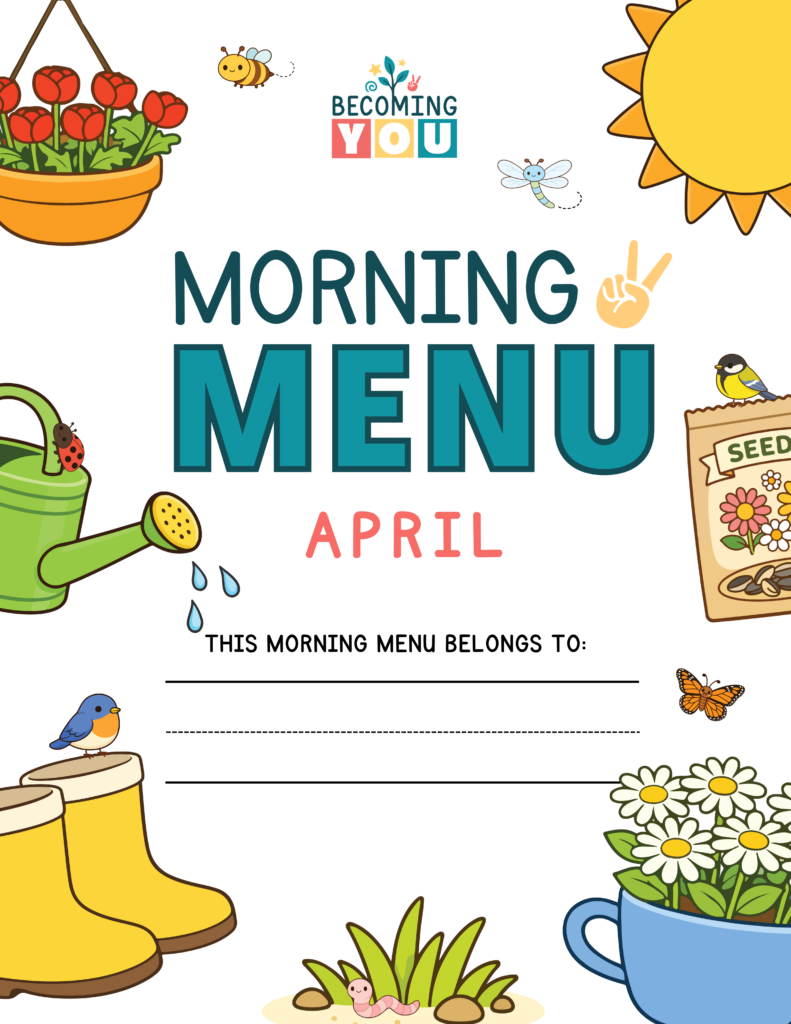
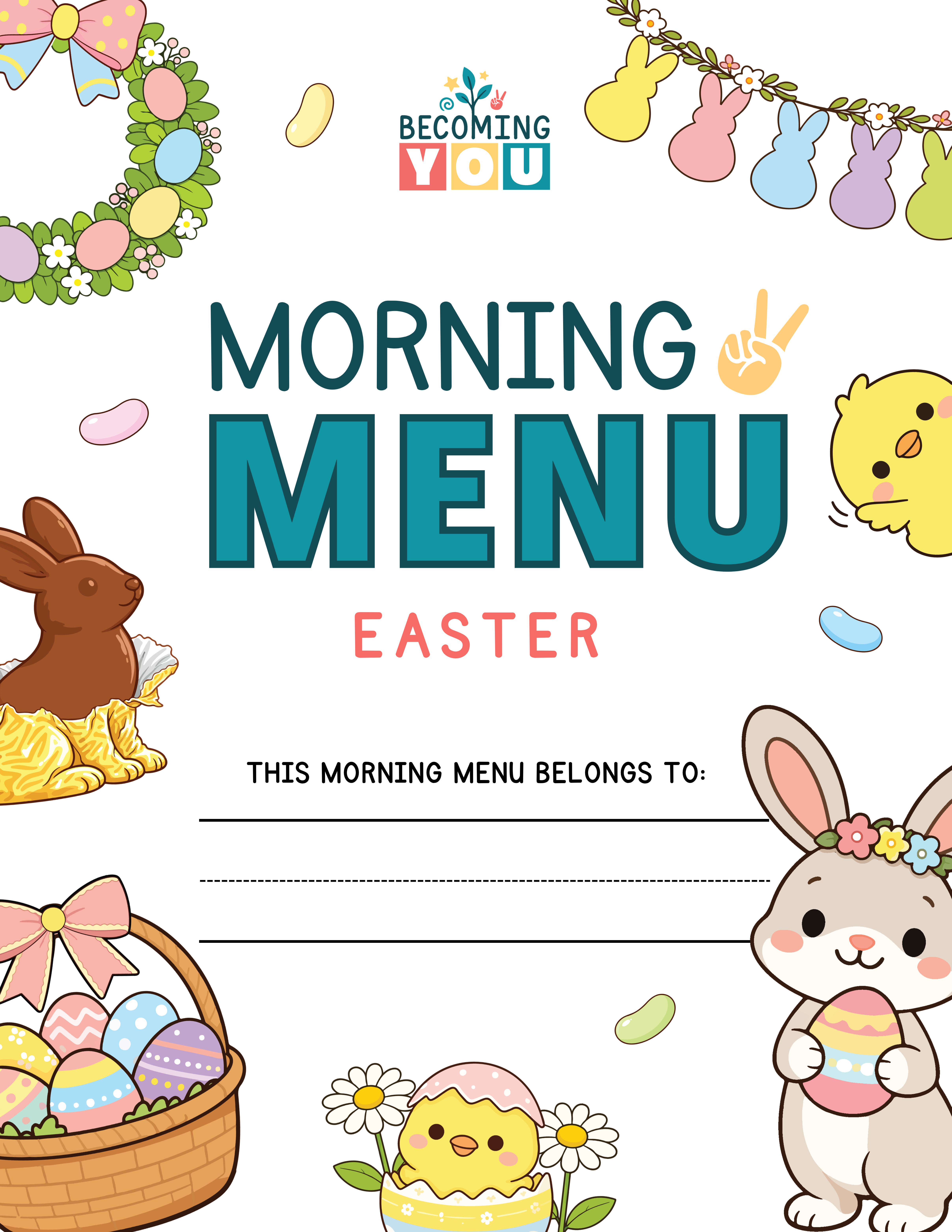
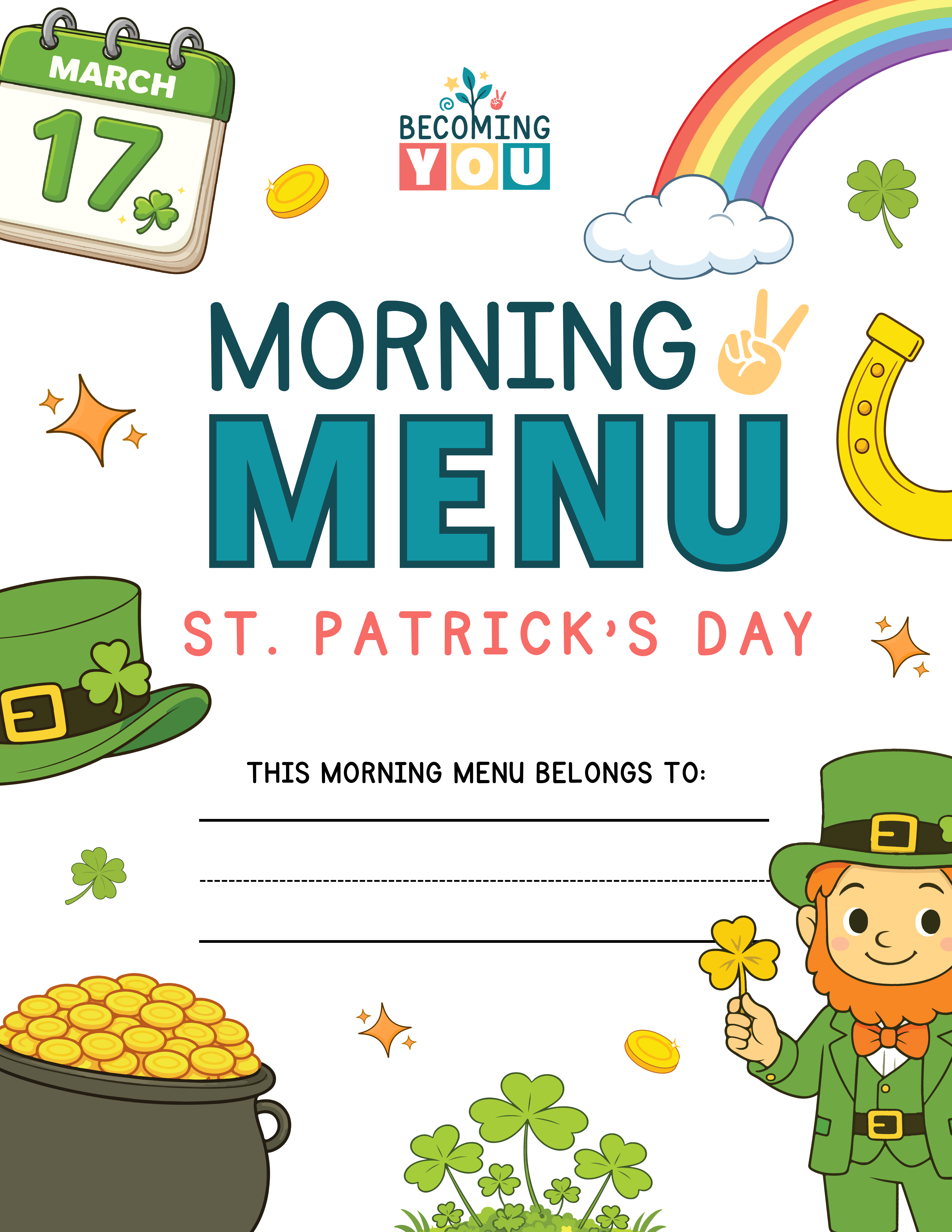
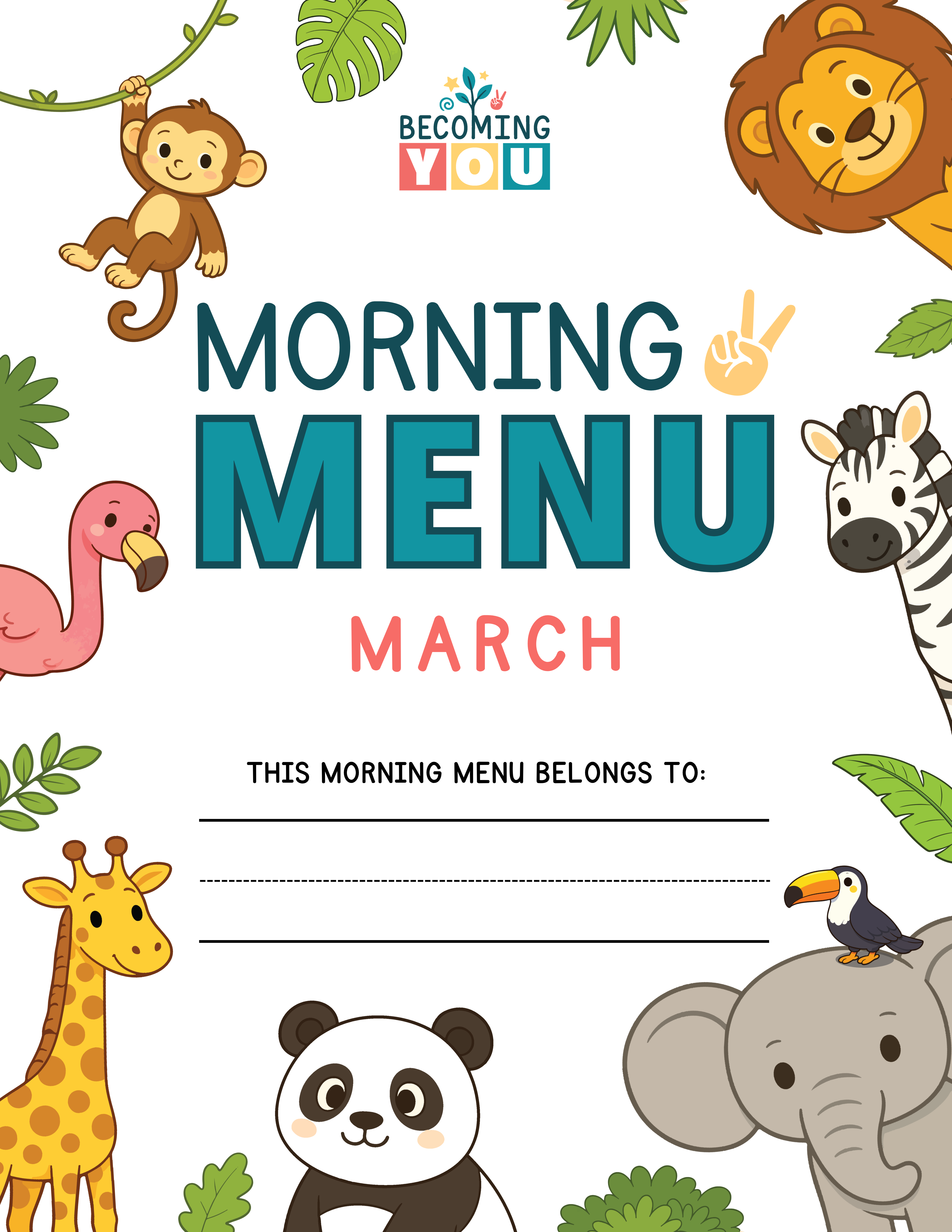
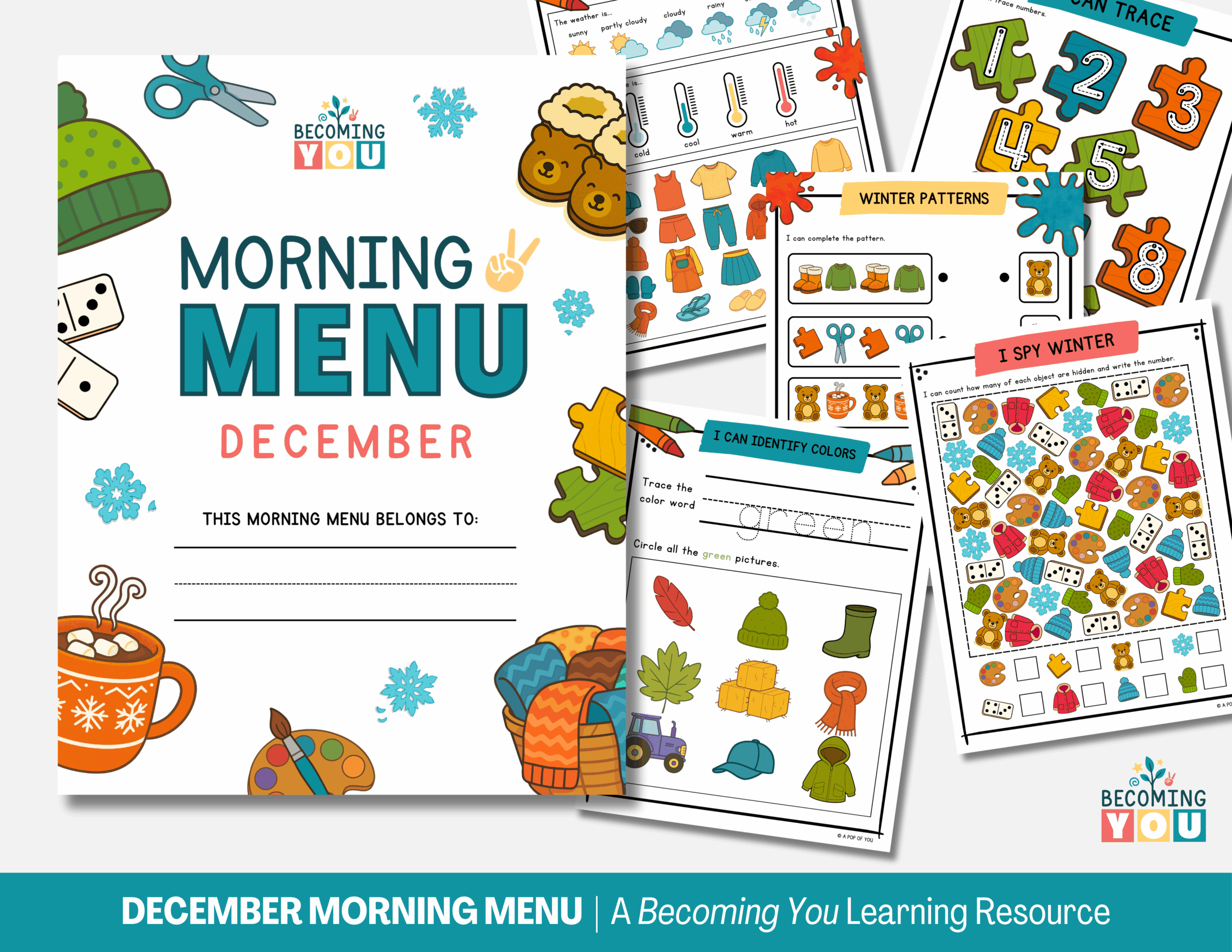
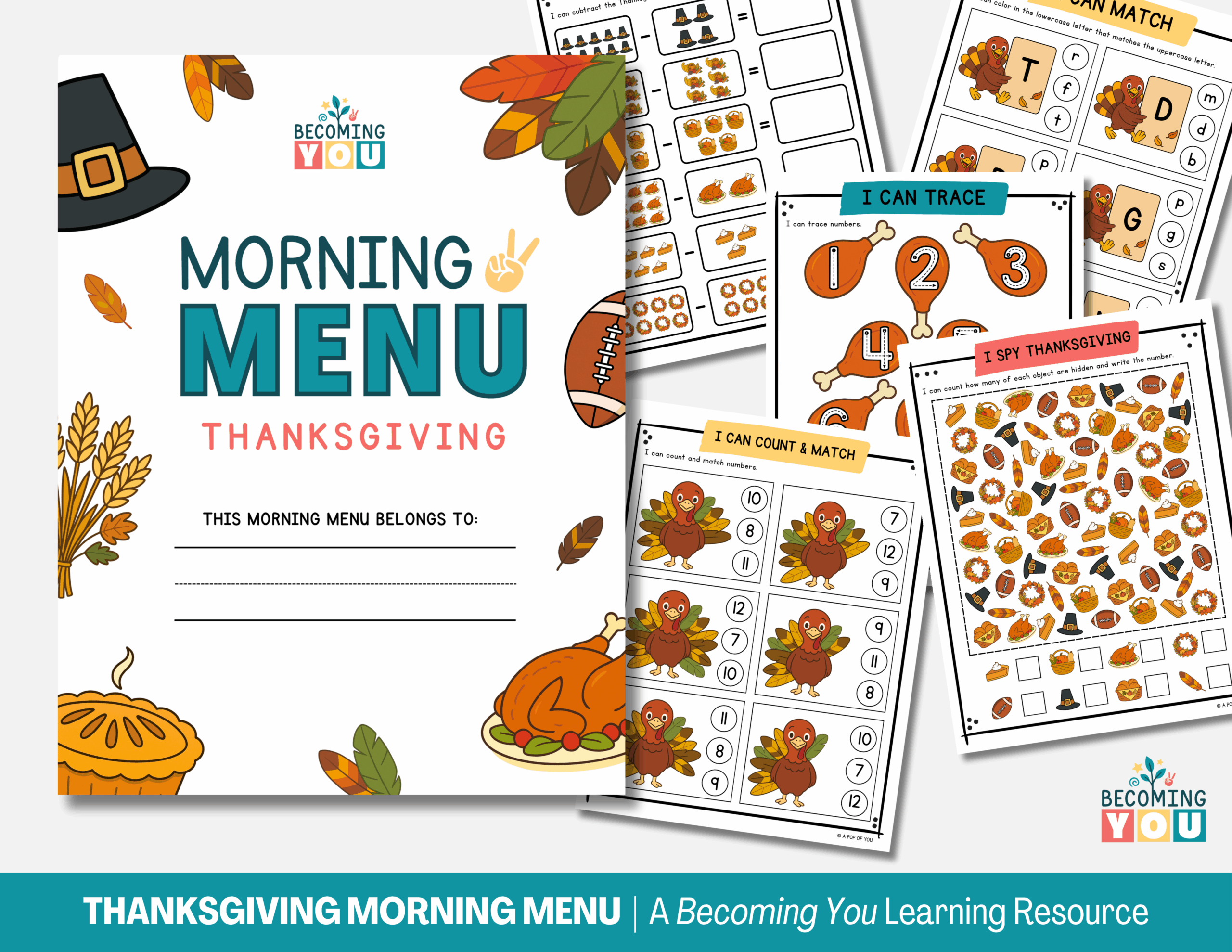
My Morning Menus also include tons of tracing and writing practice. I love this because handwriting doesn’t have to exist as one giant lesson. A little tracing here. A name written there. A number formed during math. A word written during a morning activity. Those small opportunities add up. The repetition gives kids frequent chances to practice pencil control, letter and number formation, tracing, and writing within designated spaces without turning handwriting into a long drill every day.



4. Real-Life Writing
Then there are all the opportunities to practice handwriting that don’t look like “handwriting curriculum” at all. Writing thank-you cards and birthday cards, signing their name, making lists, labeling pictures, or completing everyday activities all give kids a chance to use their handwriting skills in a meaningful way. These are some of my favorite opportunities because they help children understand why they’re learning to write in the first place. Handwriting isn’t just something we practice in a workbook, it’s a skill they can use to communicate, create, and participate in everyday life.
What to Do When Your Child’s Handwriting Looks “Messy”
When your child’s handwriting looks messy, resist the urge to correct everything at once. Instead, ask yourself: What part are they actually struggling with? If they don’t know how to correctly make the letter, that’s a letter formationskill. Model the letter, talk through the strokes, and give them opportunities to practice that motor pattern. If they know how to form the letter but struggle with its size, placement, or spacing on the page, that’s spatial awareness. In that case, stronger visual boundaries, like my highlighter trick, may be more helpful than simply reminding them to “write smaller” or “stay on the line.”
Sometimes what looks like a handwriting problem is really a child who hasn’t yet developed the spatial awareness needed to translate what they know onto paper. Identifying which part of handwriting is causing the struggle helps us choose a teaching strategy that actually targets the skill they need to practice.
Teach the Handwriting Skill They Actually Need
If there’s one thing I want you to take away from this Homeschool University: Teaching Handwriting series, it’s that we don’t have to teach, or correct, every part of handwriting at the same time. Break the skill apart.
Letter formation teaches children HOW to make their letters. Spatial awareness teaches children WHERE those letters belong.
Once you start looking at handwriting through those two lenses, it becomes much easier to figure out what your child needs next. Sometimes that’s explicit instruction in how to form a letter. Sometimes it’s repetition and practice. And sometimes it’s as simple as grabbing a highlighter and giving them a visual boundary for where their writing should go.
That’s one of the biggest advantages we have when teaching our kids at home: we can slow down, identify the specific skill they’re working toward, and give them the support they need to get there. We’re not just asking for neater handwriting, we’re teaching the individual skills that eventually create it. ✌🏼



Hey There,
I’m Katelyn!

Hi, I’m Katelyn! Join me for creative, intentional family fun and practical home management tips! Parenting is hard, but I’ve got the tools to help you create a calmer, more intentional home!
BROWSE MY
TOY RECS
resourceS
SHOP LEARNING RESOURCES



Subscribe to the empty mug club

GET OUR DAILY TO-DOS FREE!
Plus, get the latest achievable learning activities, easy recipes, storage solutions, teacher-approved toy suggestions + exclusive discounts to Becoming You learning resources straight to your inbox!

About Katelyn Collier , MAT
Katelyn Collier is a former elementary school teacher turned homeschooling mom of three and the founder of A Pop of You. She’s passionate about helping families step away from the pressure of today’s fast-paced culture and create homes filled with presence, joy, and balance. Through her resources and podcast, she shares simple, practical tools to reclaim childhood and make family life feel lighter and more intentional.
Masters DEgree in elementary education
VOICE OF BECOMING UNPOPULAR, A PODCAST COMING SOON!
CREATOR OF BECOMING YOU, A KIDS’ LEARNING RESOURCE LINE


FIND MORE INSPIRATION
Even More Achievable Ideas